
Forensics
In the lab you spend coins on a test and run the analysis yourself in a short minigame. The report reveals a new fact, but it never hands you the culprit. Pick a test to see how it works and try the minigame.
What is forensic science?
Forensic science applies science to legal questions: it examines physical traces from a crime scene, such as DNA, fingerprints, toxic substances, bullets or documents, so that facts can be established with evidence. Each area has its own methods, but all of them aim to describe what the trace shows and how reliable that is.
Confessd's lab shows several of these areas, including DNA, fingerprints, toxicology and ballistics. You pay coins for a test and run it in a short minigame; as in real life, the report reveals a fact, not the culprit.
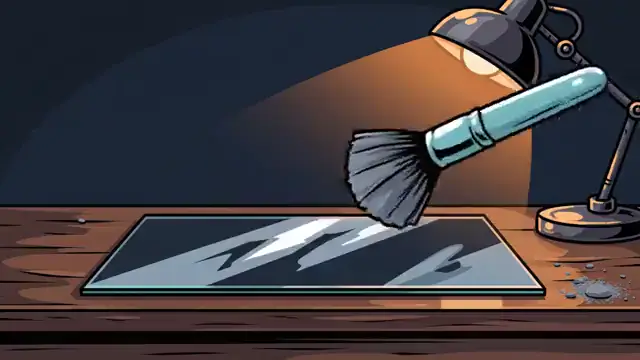 FingerprintsReveals prints on objects and surfaces at the scene.
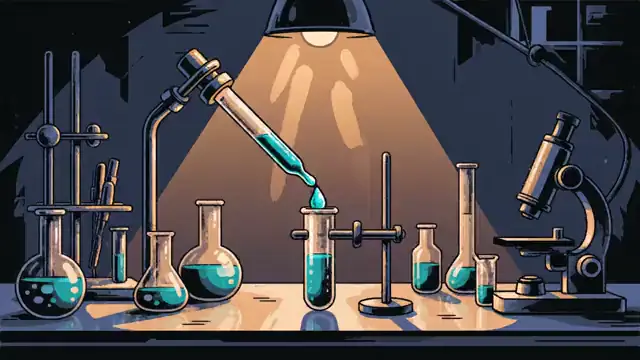 DNA testMatches genetic material from the scene against each suspect.
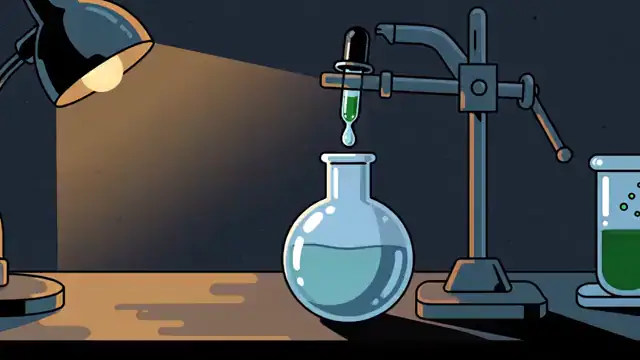 ToxicologyLooks for poisons, medicines and other substances.
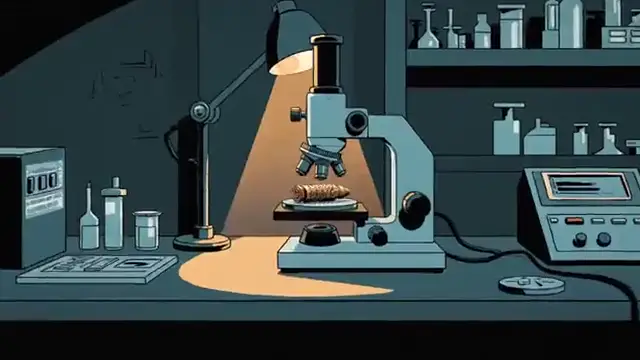 BallisticsLinks a bullet or a weapon to the shot.
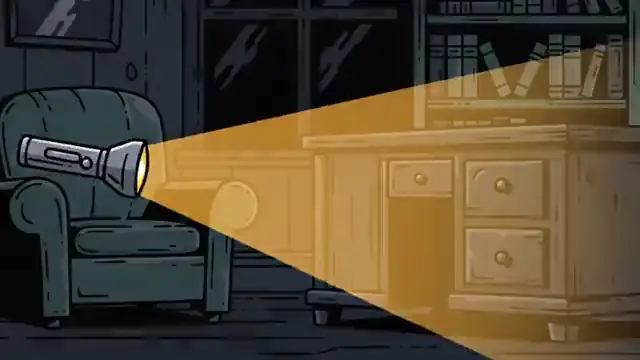 Search warrantCombs the scene for whatever was left behind.
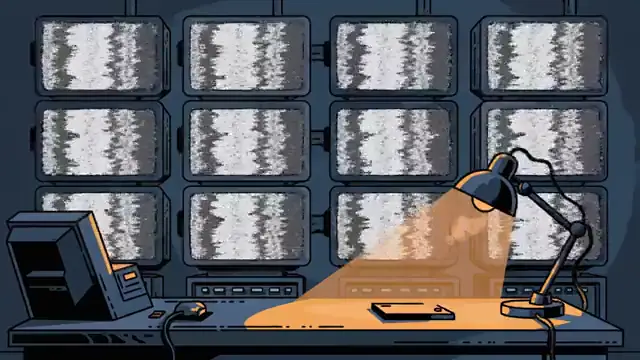 Security camerasReviews camera footage from the time of the crime.
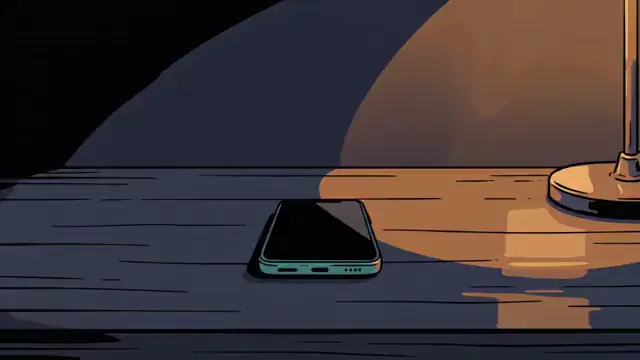 Phone recordsPulls the calls and messages of everyone who was there.
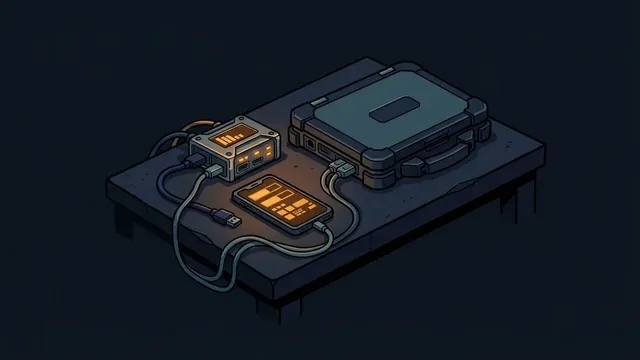 Digital forensicsUnlocks a seized phone or laptop and recovers deleted messages.
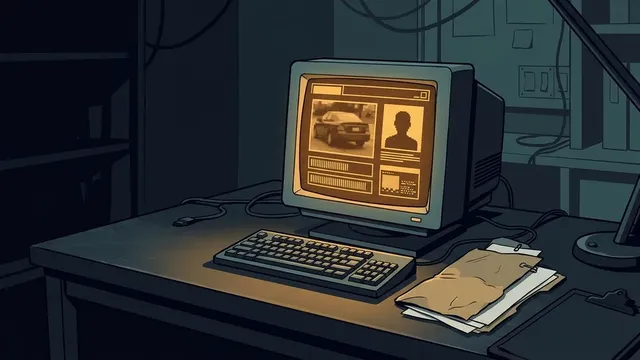 Records and platesPulls someone's record or the owner of a license plate.
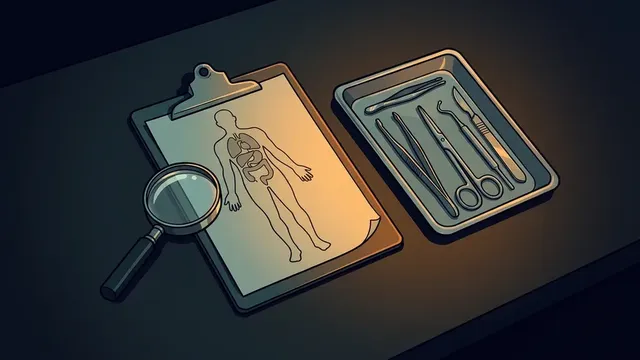 Medical examiner's reportReads the medical examiner's chart for marks the summary left out.
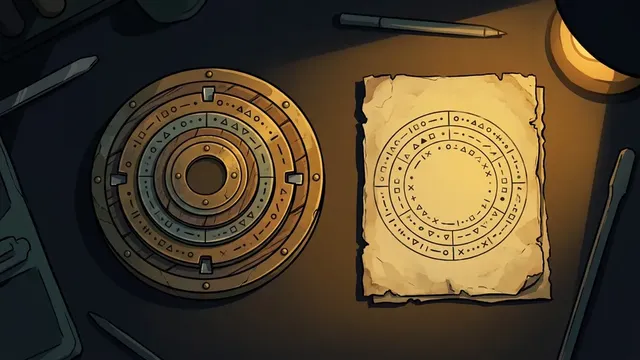 Translation or cipherTranslates or decodes a document in another language or in code.
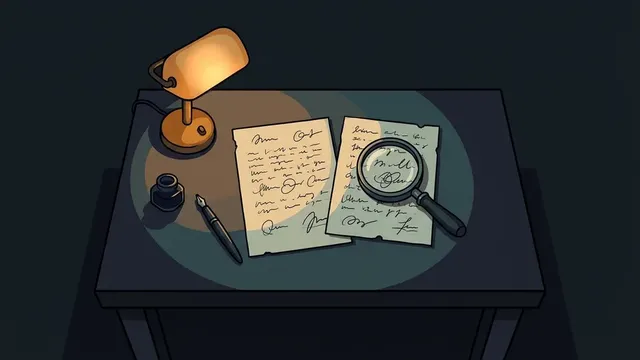 Handwriting analysisCompares the writing or signature on a document with a suspect's.
 Scene photosOpens the folder with the crime scene photos.