
Stanford White death: the 1906 Madison Square Garden murder
New York, June 1906
This case is a work of fiction. The characters, names, places and events in the game do not portray real people. The account below is a factual summary, based on public sources, of the case that served as inspiration.
On the night of June 25, 1906, during the opening of the musical revue Mam'zelle Champagne in the rooftop theater of Madison Square Garden, the architect Stanford White, designer of the building itself, was shot dead three times at point-blank range in front of the audience. The gunman was Harry Kendall Thaw, heir to a coal and railroad fortune from Pittsburgh, who had spent the night in a black overcoat despite the stifling heat. For a moment, part of the audience thought the shots were part of the show.
Thaw was obsessed with White, who had been involved with Thaw's wife, the model and chorus girl Evelyn Nesbit, when she was 16; he also blamed him for being rejected by the elite clubs of New York. In the preceding months he had written to moral reformers against the architect, claimed to be followed by a gang and went about armed. The first trial, opened in January 1907 and nicknamed the "trial of the century" by the press, ended with a hung jury, seven votes to five.
Sources
Frequently asked questions
How did Stanford White die?
The architect was shot three times at point-blank range on June 25, 1906, in front of the audience at the rooftop theater of Madison Square Garden, a building he had designed.
Who killed Stanford White?
Harry Kendall Thaw, heir to a Pittsburgh coal and railroad fortune and the husband of model Evelyn Nesbit.
What did Stanford White have to do with Evelyn Nesbit?
White had been involved with Evelyn Nesbit when she was 16, years before she married Thaw. Thaw was obsessed with that past.
What happened to Harry Thaw?
His first trial ended in a hung jury. In 1908 he was found not guilty by reason of insanity and committed to an asylum; he escaped to Canada in 1913 and was declared sane in 1915.
In the game
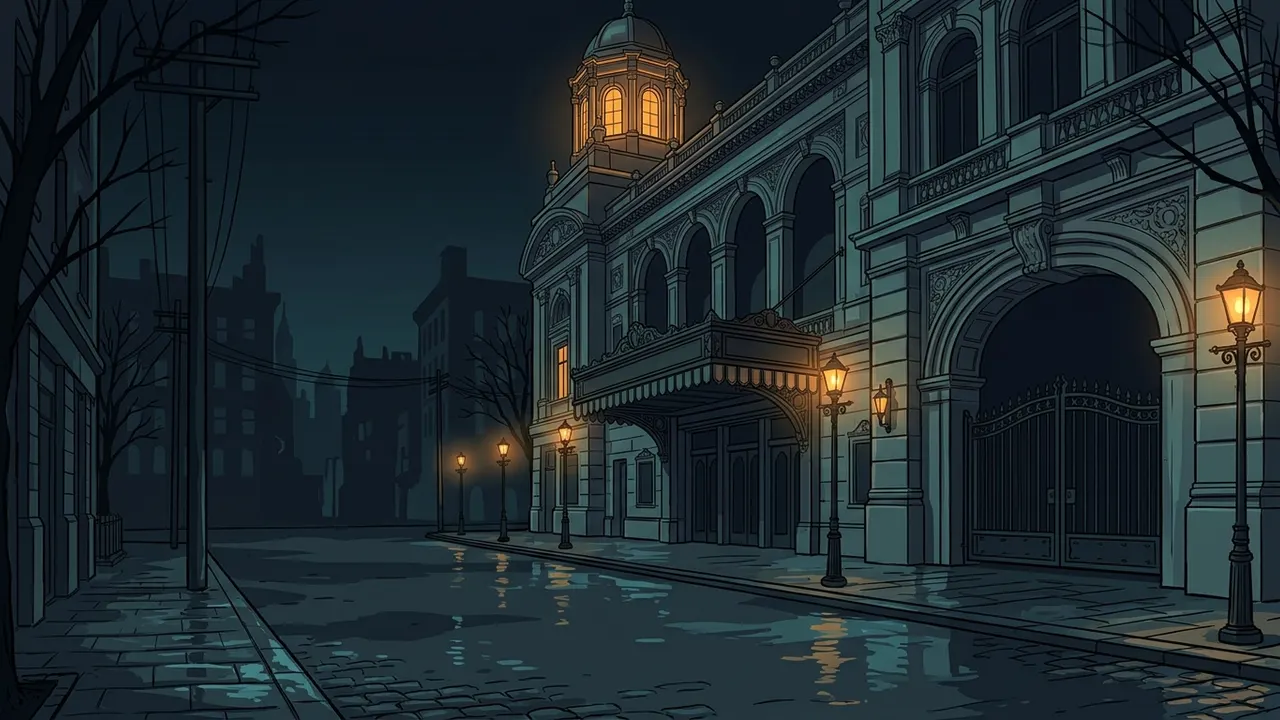
Overcoat in June
New York, early Tuesday morning, June 26, 1906, 12:30 am. In the summer theater on the roof of the Gramercy Pavilion, the glasses are still half full, and an unlit paper lantern rolls near the stage.
In the second trial, concluded on February 1, 1908, Thaw was found not guilty by reason of insanity and committed to the Matteawan asylum for the criminally insane; he escaped to Canada in 1913 and was declared sane in 1915. The game borrows the rooftop theater, the overcoat in midsummer and the obsession with the wife's past. The darkness of the finale, the hidden revolver, the characters and the outcome are fiction.